










In this comprehensive guide, I will provide you with valuable insights into private dental charges. Understanding the costs associated with private dental care is crucial for making informed decisions about your oral health. Throughout this guide, I will explore the average costs of routine dental procedures, factors that influence private dentist costs, and strategies for managing the cost of private dental care.
Key Takeaways:
- Private dental charges can vary depending on the complexity of the procedure and the dentist’s experience.
- Factors such as location, materials used, and additional treatments can impact private dentist costs.
- Understanding your dental insurance coverage and limitations is essential for managing the cost of private dental care.
- Consider alternative savings options, such as dental discount plans, to offset the expenses of private dental treatment.
- Regular dental check-ups and preventive care can help minimize the need for costly treatments in the long run.
Understanding Private Dental Charges
In this section, I will delve into the topic of understanding private dental charges. It is important to have a clear understanding of the costs involved when it comes to private dental care. By gaining knowledge in this area, you can make informed decisions about your dental care investment and ensure that you are getting the most value for your money.
Navigating Your Dental Care Investment
One of the key aspects of understanding private dental charges is navigating your dental care investment. Dental care is an important part of maintaining good oral health, but it can also be a significant financial commitment. By carefully considering your dental care needs and budget, you can make choices that align with your priorities and financial situation.
Consider the following strategies for navigating your dental care investment:
- Evaluate your oral health needs: Take stock of your dental health and identify any specific treatments or procedures that you may require.
- Create a budget: Set aside a specific amount of money for dental care expenses and consider incorporating it into your overall financial plan.
- Research private dental plans: Look into private dental plans that may offer coverage for routine check-ups, cleanings, and other common dental procedures.
- Shop around for the best value: Compare prices and services offered by different private dentists to find the best value for your dental care investment.
By taking a proactive approach to navigating your dental care investment, you can ensure that you are making the most of your financial resources while prioritizing your oral health.
State Variations in Dental Care Pricing
It is important to note that dental care pricing can vary depending on the state you reside in. Factors such as the cost of living, average incomes, and market competition can influence the prices charged by private dentists in different states.
Understanding state variations in dental care pricing can help you better anticipate and plan for the costs associated with private dental care. By being aware of these variations, you can make informed decisions about your dental care investment.
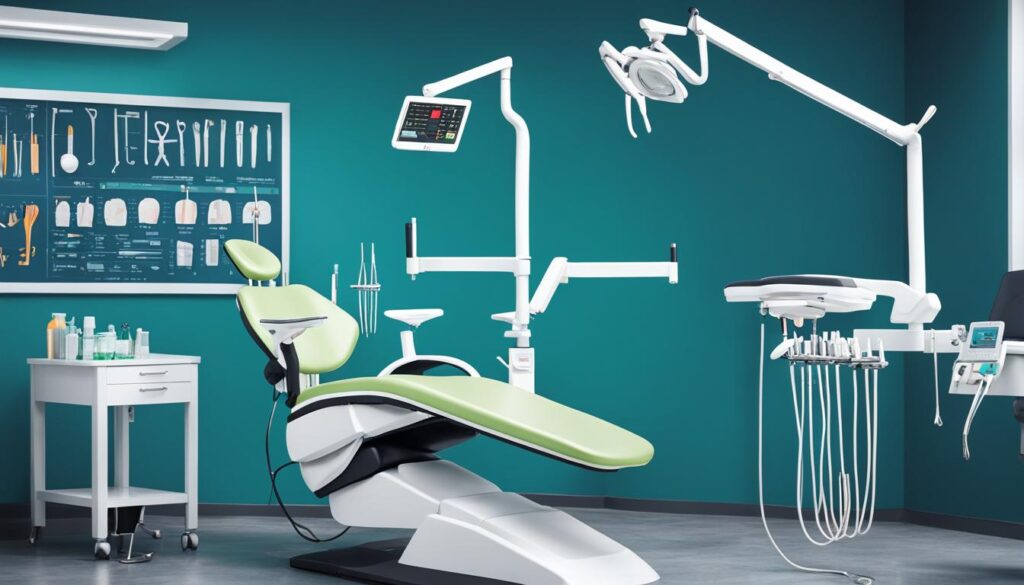
Continue reading to section 3 where we will provide a breakdown of private dental charges, including the average costs of routine dental procedures and the factors that influence private dentist costs.
Private Dental Charges – A Breakdown of What to Expect
Average Costs of Routine Dental Procedures
Understanding the average costs of routine dental procedures can give you a better idea of what to expect when it comes to private dental charges. While prices may vary depending on your location and specific dental practice, having a general understanding of these costs can help you plan and budget for your dental care.
The table below provides an overview of the average costs for common routine dental procedures:
| Procedure | Average Cost |
|---|---|
| Regular dental check-up | $50 – $200 |
| Dental cleaning | $75 – $200 |
| X-rays | $25 – $250 |
| Filling (composite) | $90 – $250 |
| Tooth extraction | $75 – $450 |
Keep in mind that these are just average costs and can vary based on factors such as the complexity of the procedure, your geographic location, and the experience of the dentist.
Factors That Influence Private Dentist Costs
Several factors can influence the costs charged by private dentists:
- Location: Dental charges can vary significantly depending on where you live. Urban areas generally have higher dental costs compared to rural areas.
- Dentist’s Experience: More experienced dentists may charge higher fees due to their expertise and reputation.
- Materials Used: The cost of materials, such as dental implants or veneers, can significantly impact the overall price of a procedure.
- Practice Overhead: The expenses involved in running a dental practice, such as rent, staff salaries, and equipment, can influence the fees charged by dentists.

Understanding the breakdown of private dental charges is crucial for making informed decisions about your oral health. By knowing the average costs of routine dental procedures and the factors that influence private dentist costs, you can better navigate the financial aspects of private dental care.
Strategies for Managing the Cost of Private Dental Care
In this section, I will discuss various strategies that can help you effectively manage the cost of private dental care. Whether you have dental insurance or not, these strategies can provide you with alternative options and insights to optimize your dental expenses.
Decoding Dental Insurance: Coverage and Limitations
Dental insurance can play a crucial role in managing the cost of private dental care. It is essential to understand your insurance coverage thoroughly to make the most of your benefits. Dental insurance typically covers preventive services like cleanings and check-ups, but may have limitations when it comes to more complex treatments.
When reviewing your dental insurance policy, be sure to:
- Understand the coverage for different dental procedures and services
- Check if there are any waiting periods or limitations on coverage for pre-existing conditions
- Familiarize yourself with any annual maximums or deductibles
- Know the restrictions and requirements for selecting a dentist within a network or seeking out-of-network providers
By gaining a comprehensive understanding of your dental insurance coverage and limitations, you can make informed decisions and avoid unexpected expenses.
Alternative Plans and Savings Options
If dental insurance does not meet your needs or you are looking for additional ways to save on dental costs, there are alternative plans and savings options available:
- Dental Savings Plans: These plans, also known as dental discount plans, offer discounted rates for dental services. You pay an annual or monthly membership fee and receive reduced prices for dental treatments from participating dentists. Dental savings plans are a viable alternative for those without insurance or individuals seeking more affordable options.
- Flexible Spending Accounts (FSAs) and Health Savings Accounts (HSAs): These accounts allow you to set aside pre-tax dollars to cover eligible medical and dental expenses. By contributing to an FSA or HSA, you can potentially lower your taxable income while earmarking funds specifically for dental care.
- Finance Options: Some dental practices offer financing options such as dental payment plans or third-party financing to help patients manage the cost of extensive or expensive treatments. These options allow you to spread out payments over time, making dental care more manageable.
Be sure to research and assess the suitability of these alternative plans and savings options based on your unique dental care requirements and financial situation.
To summarize, managing the cost of private dental care involves understanding your dental insurance coverage, its limitations, and exploring alternative plans and savings options. By taking proactive steps and making informed decisions, you can effectively navigate the financial aspects of private dental care and ensure optimal dental health without breaking the bank.
Conclusion
In conclusion, understanding private dental charges is essential for every individual seeking quality dental care. Throughout this guide, I have provided a comprehensive breakdown of private dental costs, factors that influence pricing, and strategies for managing these expenses.
By familiarizing yourself with the average costs of routine dental procedures, you can better prepare for the financial aspects of your dental care. Remember that these costs can vary depending on factors such as location, dentist’s experience, and the materials used. Being aware of these variations can help you plan and budget accordingly.
Additionally, it is crucial to navigate your dental care investment effectively. Decoding dental insurance coverage and limitations is essential in maximizing your benefits. By understanding your dental insurance policy, you can make informed decisions about your treatment options and potentially save on out-of-pocket expenses.
Furthermore, exploring alternative plans and savings options can provide you with additional opportunities to manage the cost of private dental care. From dental discount plans to health savings accounts, there are various strategies available to help alleviate the financial burden of dental expenses.
By taking the time to educate yourself about private dental charges and implementing effective strategies, you can prioritize your oral health without breaking the bank. Remember, maintaining regular dental visits and preventive care are crucial for your overall well-being. So, make informed decisions and invest in your dental health for a lifetime of smiles.
FAQ
What are private dentist costs?
Private dentist costs refer to the fees charged by private dental practitioners for their services. These costs can vary depending on various factors such as location, dentist’s experience, and materials used.
How much do private dentist fees typically cost?
The cost of private dentist fees can vary depending on the specific dental procedure, with routine procedures such as dental check-ups and cleanings typically costing around $100 to $200, while more complex treatments like dental implants can range from $1,000 to $4,000 per tooth.
What is the cost of a private dental plan?
The cost of a private dental plan can vary depending on the level of coverage and the insurance provider. On average, a comprehensive private dental plan can range from $15 to $50 per month.
How much does private dental treatment cost?
The cost of private dental treatment can vary depending on the specific procedure. For example, a dental filling can cost anywhere from $150 to $400, while a root canal can range from $500 to $1,500.
How much does emergency dental treatment at a private dentist cost?
The cost of emergency dental treatment at a private dentist can vary depending on the nature of the emergency and the specific treatment required. It is best to contact your private dentist directly for an estimate of costs in such situations.
What is the cost of seeing a hygienist at a private dental practice?
The cost of seeing a hygienist at a private dental practice can vary, but typically ranges from $75 to $200 per visit. It is recommended to check with your dental practice for specific pricing.
How much does a private dental check-up cost?
The cost of a private dental check-up can vary depending on the dentist and location, but typically ranges from $100 to $200. However, it is important to note that additional costs may apply if further treatment or procedures are needed.
What are the charges for private dental treatment?
Charges for private dental treatment can vary depending on the specific procedure. Routine procedures such as dental cleanings can range from $100 to $200, while more complex treatments like dental crowns can cost between $800 and $1,500.









+ There are no comments
Add yours