









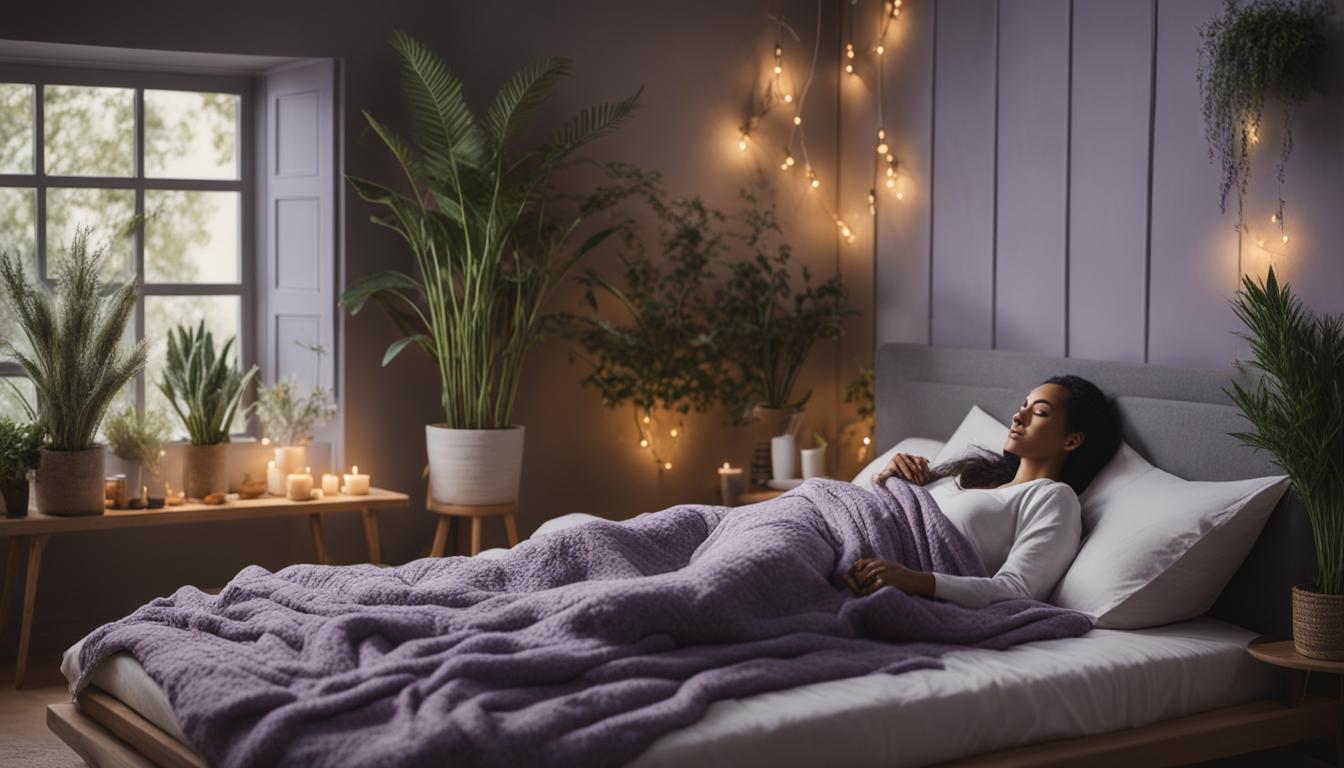
Sleep is vital for our overall health and well-being. However, many people struggle with getting a good night’s rest. If you’re looking for natural ways to improve your sleep and make you sleep better tonight, we’ve got you covered. Here are some tips that can help you achieve a restful night’s sleep without relying on medication or drastic measures.
Establishing a Sleep-Conducive Environment
Creating a sleep-conducive environment is key to optimizing your sleep quality. Consider the following factors:
Optimizing Bedroom Temperature
The ideal temperature for sleep is between 60 and 67 degrees Fahrenheit (15-19 degrees Celsius). Adjust your thermostat or use blankets to achieve a comfortable sleep temperature.
Embracing the Darkness
Make sure your bedroom is dark and free from any sources of light that can disrupt your sleep. Consider using blackout curtains or an eye mask to block out unwanted light.
Reducing Noise and Distractions
A quiet environment is essential for a good night’s sleep. Use earplugs or white noise machines to mask any disturbing sounds that may disrupt your sleep. Keep electronic devices out of your bedroom to minimize distractions and the temptation to stay awake.

Mind and Body Relaxation Techniques
Relaxation techniques can help calm your mind and prepare your body for sleep. Try incorporating the following practices into your evening routine:
Evening Yoga and Stretching Exercises to Unwind
Engaging in gentle yoga or stretching exercises in the evening can help release tension from your body and promote relaxation. Focus on deep breathing and gentle movements to prepare your body for restful sleep.
Guided Meditation to Ease the Mind
Practicing guided meditation before bed can help quiet your mind and release any racing thoughts. There are many free meditation apps or online resources that offer guided meditations specifically designed for sleep.
Switching Off Electronics to Calm Your Brain
Avoid screen time at least an hour before bed. The blue light emitted by electronic devices can interfere with your body’s natural sleep-wake cycle. Instead, engage in calming activities like reading a book or taking a warm bath.
Read more:
Simple Health Tips for Everyday Living – Boost Wellness
Make Me Sleep: Natural Supplements and Aromatherapy
If you’re looking for additional support to improve your sleep, consider these natural supplements and aromatherapy:
Natural Supplements for Sleep
Supplements like melatonin, valerian root, and chamomile have been used for centuries to promote sleep. However, it’s important to consult with a healthcare professional before starting any new supplement to ensure it’s safe for you.
Aromatherapy for Sleep
Essential oils like lavender and bergamot can have a calming effect and promote relaxation. Use a diffuser or add a few drops to your pillowcase to enjoy their soothing aroma before bed.
Establishing a Sleep-Conducive Environment
Creating the right environment in your bedroom can greatly contribute to a good night’s sleep. By optimizing the bedroom temperature, embracing darkness, and reducing noise and distractions, you can create a sleep-conducive environment that promotes restful and uninterrupted sleep.
Optimizing Bedroom Temperature
Temperature plays an important role in sleep quality. The ideal bedroom temperature for sleep is typically between 60 and 67 degrees Fahrenheit (15 to 19 degrees Celsius). This temperature range helps to keep your body cool, which aids in falling asleep faster and maintaining deep sleep throughout the night. Use fans, air conditioning, or bedding materials that regulate temperature to achieve the optimal sleep-inducing environment.
Embracing the Darkness
Darkness is essential for promoting quality sleep. Exposure to light, especially blue light emitted by electronic devices, can disrupt the production of melatonin, the hormone that regulates sleep-wake cycles. To create a darkness-friendly environment, invest in blackout curtains or blinds to block external light sources. Additionally, minimize the use of electronic devices before bedtime and consider using a sleep mask to ensure complete darkness.
Reducing Noise and Distractions
Noise can be a major sleep disruptor. Creating a quiet environment is crucial for quality sleep. If you live in a noisy area, consider using earplugs or investing in a white noise machine that masks disruptive sounds. Eliminate or reduce other distractions such as pets in the bed or children sharing the sleeping space. By minimizing noise and distractions, you can create a peaceful atmosphere conducive to deep, rejuvenating sleep.

Mind and Body Relaxation Techniques
In addition to establishing a sleep-conducive environment, incorporating mind and body relaxation techniques can help enhance the quality of your sleep. By unwinding and calming your mind and body before bedtime, you can promote a more peaceful and restful sleep experience.
Evening Yoga and Stretching Exercises to Unwind
Engaging in evening yoga and stretching exercises can be highly beneficial for relaxation and sleep. These activities help release tension from the body, soothe the mind, and prepare the body for a peaceful rest. By focusing on gentle stretches and deep breathing, you can promote a sense of calmness and relaxation that is conducive to sleep.
If you’re new to yoga, consider starting with beginner-friendly poses such as child’s pose, cat-cow, and legs-up-the-wall. These poses can help relax the body and alleviate any built-up tension from the day.
Here is an example of an evening yoga routine that you can try:
- Begin with a few minutes of deep breathing to calm the mind and body.
- Move into child’s pose and hold for 5 deep breaths, allowing your body to relax and release tension.
- Transition into cat-cow pose, gently moving through the stretch while focusing on your breath.
- Continue with forward folds, seated twists, and gentle spinal twists to further release tension and promote relaxation.
- Finish with legs-up-the-wall pose, allowing your legs to rest against a wall while you focus on deep breathing and relaxation.
Remember to listen to your body and only perform movements and stretches that feel comfortable for you. If you have any pre-existing medical conditions or concerns, it’s always best to consult with a qualified yoga instructor or healthcare professional before starting a new exercise routine.
Guided Meditation to Ease the Mind
Another effective relaxation technique for sleep is guided meditation. Guided meditation can help calm the mind, reduce stress, and prepare the body for restful sleep. By focusing on breathing techniques and relaxing imagery, guided meditation can help quiet the mind and create a peaceful state conducive to sleep.
There are various guided meditation apps and websites available that offer nightly sleep meditations specifically designed to promote relaxation and aid sleep. These meditations typically involve deep breathing exercises, visualization, and body scan techniques to help you unwind and prepare for sleep.
| Evening Yoga Poses | Benefits |
|---|---|
| Child’s Pose | Relieves tension in the back, shoulders, and neck |
| Cat-Cow Pose | Increases flexibility in the spine and helps relieve stress |
| Forward Folds | Stretches the muscles of the lower back and hamstrings |
| Seated Twists | Improves digestion and releases tension in the spine |
| Legs-Up-the-Wall Pose | Relaxes the legs, improves circulation, and relieves fatigue |
Switching Off Electronics to Calm Your Brain
Reducing screen time before bed can significantly contribute to better sleep. The blue light emitted by electronic devices such as smartphones, tablets, and computers can disrupt the production of melatonin, the hormone that regulates sleep. By minimizing exposure to screens in the evening, you allow your brain to naturally wind down and prepare for restful sleep.
Instead of using electronic devices close to bedtime, consider incorporating other relaxing activities such as reading a book, practicing a hobby, or engaging in a calming bedtime routine. By replacing screen time with activities that promote relaxation, you can create a tranquil environment that enhances your sleep quality.

Natural Supplements for Sleep
Natural supplements such as melatonin, valerian root, and chamomile have gained popularity for their sleep-enhancing properties.
Melatonin is a hormone that helps regulate sleep-wake cycles. It is available as an over-the-counter supplement and can be particularly useful for individuals who struggle with falling asleep or maintaining a consistent sleep schedule.
Valerian root is a herbal remedy that has been used for centuries to promote relaxation and improve sleep quality. It is believed to have sedative properties that help calm the mind and prepare the body for restful sleep.
Chamomile, on the other hand, is a popular herb that can be enjoyed as a tea or used in aromatherapy to induce a sense of calmness. Chamomile tea is widely known for its soothing effects and is often recommended as a natural remedy for sleep disturbances.
Aromatherapy for Sleep
Aromatherapy involves the use of essential oils to promote relaxation and overall well-being. When it comes to improving sleep, essential oils like lavender and bergamot can be particularly beneficial.
Lavender essential oil is known for its calming effects and can help reduce anxiety and promote a sense of tranquility. It can be used in a diffuser, added to bathwater, or applied topically to enhance sleep quality.
Bergamot essential oil, with its citrusy and uplifting aroma, can also aid sleep by reducing stress and promoting relaxation. It can be used similarly to lavender oil, either through diffusion or by incorporating it into a nighttime ritual.
It’s important to note that while natural supplements and aromatherapy can be helpful for improving sleep, it’s always advisable to consult with a healthcare professional before starting any new supplements or using aromatherapy. This is especially important if you are taking any medications or have specific health concerns.
By incorporating natural supplements and aromatherapy into your bedtime routine, you can create a more soothing and sleep-conducive environment to enhance your sleep quality and overall well-being.
Conclusion
Commitment to consistency and patience is key when seeking to improve sleep quality naturally. It is important to establish a consistent sleep routine, going to bed at the same time every night, to regulate the internal sleep/wake clock. Additionally, incorporating regular exercise, avoiding caffeine and heavy meals close to bedtime, and minimizing the use of electronic devices before sleep can all contribute to a better night’s rest.
Creating a sleep-conducive environment is essential for optimizing sleep. Maintaining a comfortable bedroom temperature, embracing darkness by blocking out light, and reducing noise and distractions can all play a role in facilitating a peaceful sleep environment.
While natural supplements and aromatherapy can be beneficial for some individuals, it is important to consult with a healthcare professional before starting any new supplements or using aromatherapy. They can provide personalized advice based on individual needs and potential interactions with medications.
Remember, improving sleep is a journey that requires patience. Results may not be immediate, but by committing to consistency in sleep routine and incorporating these natural tips, better sleep quality can be achieved over time. For individuals facing persistent sleep issues or seeking personalized advice, consulting sleep professionals can offer tailored recommendations and strategies for optimizing sleep health.
FAQ
How can I improve my sleep naturally?
To improve your sleep naturally, try establishing a consistent sleep routine, exercising regularly, avoiding caffeine and heavy meals close to bedtime, and creating a sleep-conducive environment. You can also try natural supplements such as melatonin, valerian root, and chamomile, or aromatherapy with essential oils like lavender or bergamot.
How can I create a sleep-conducive environment?
To create a sleep-conducive environment, optimize your bedroom temperature by keeping it cool and comfortable. Embrace darkness by blocking out light with curtains or blinds, reduce noise and distractions by using earplugs or a white noise machine, and keep pets and children out of the bed.
What relaxation techniques can help me sleep?
There are several relaxation techniques that can help you sleep better. Try evening yoga and stretching exercises to unwind your body and mind. You can also practice guided meditation to ease your mind and switch off electronics before bedtime to calm your brain.
Are there any natural supplements or aromatherapy options that can help me sleep?
Yes, natural supplements such as melatonin, valerian root, and chamomile are commonly used to promote sleep. Aromatherapy with essential oils like lavender or bergamot can also have a soothing effect and promote relaxation for better sleep. However, it’s always a good idea to consult with a healthcare professional before starting any new supplements or using aromatherapy.
What should I do to improve my sleep in the long term?
To improve your sleep in the long term, commit to consistency and patience. Establish a consistent sleep routine by going to bed and waking up at the same time every day. Be patient as sleep improvements may take time. It’s also a good idea to consult sleep professionals for personalized advice tailored to your specific needs.









+ There are no comments
Add yours