







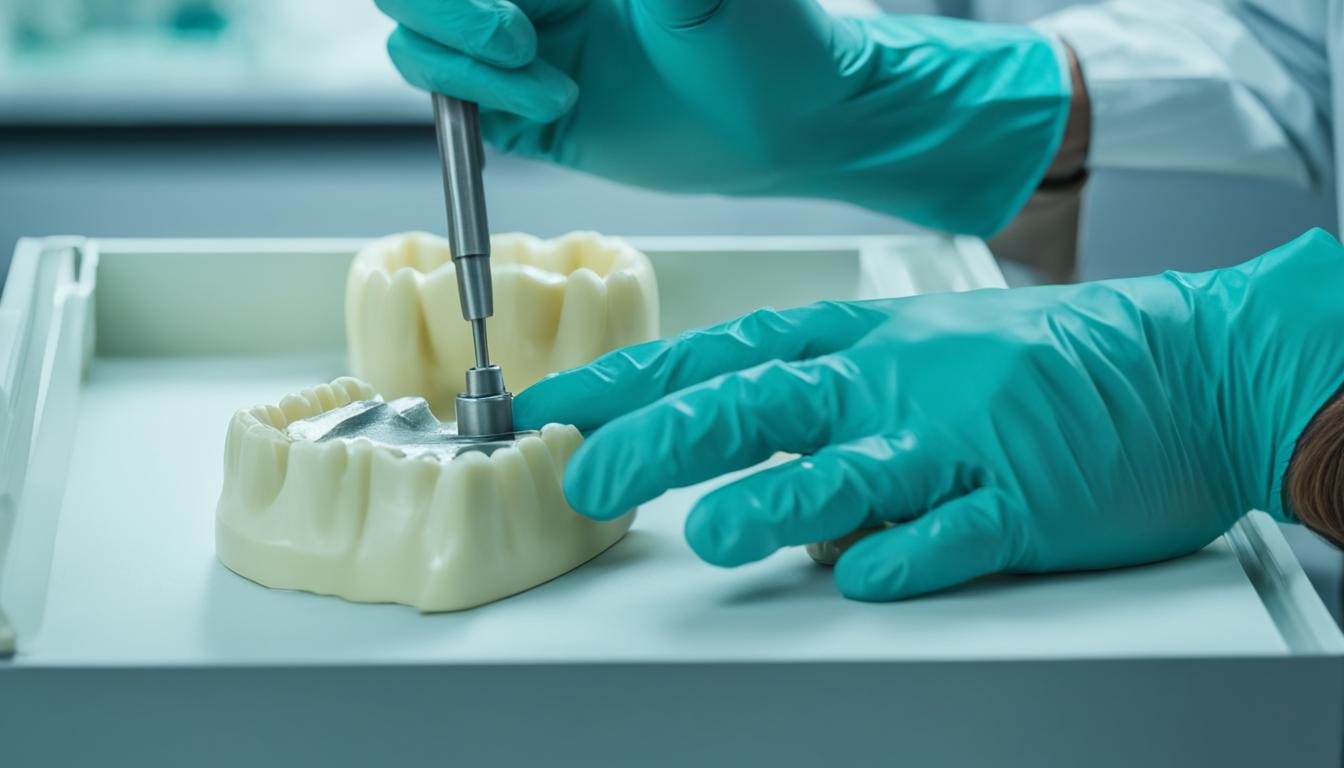
Dental impression materials play a crucial role in the field of dentistry, allowing dental professionals to create precise replicas of a patient’s oral structures. One such material is impression compound, a versatile and widely used substance for capturing accurate dental impressions. In this comprehensive guide, we will explore the evolution and significance of impression compound in dental practices, as well as its types, composition, properties, manipulation techniques, and the advantages and disadvantages of using this material. We will also touch on modern alternatives to impression compound, such as digital impressions and advanced dental materials. 
Key Takeaways:
- Impression compound is a crucial material in dental practices for capturing accurate dental impressions.
- It has evolved over time to improve its composition, properties, and ease of use.
- Types of impression compounds include low fusing and high fusing compounds.
- Proper manipulation techniques are essential for effectively using impression compound.
- Impression compound has advantages and disadvantages, and dental professionals should consider individual case requirements.
The Evolution and Significance of Impression Compound in Dental Practices
Impression compound, a key material in the field of dentistry, has a rich history that dates back to the mid-19th century. Initially developed as a thermoplastic modeling compound, it had limitations when it came to accurately reproducing undercut areas. However, as dental practitioners continued to refine its composition, impression compound became more consistent and predictable when heated and cooled.
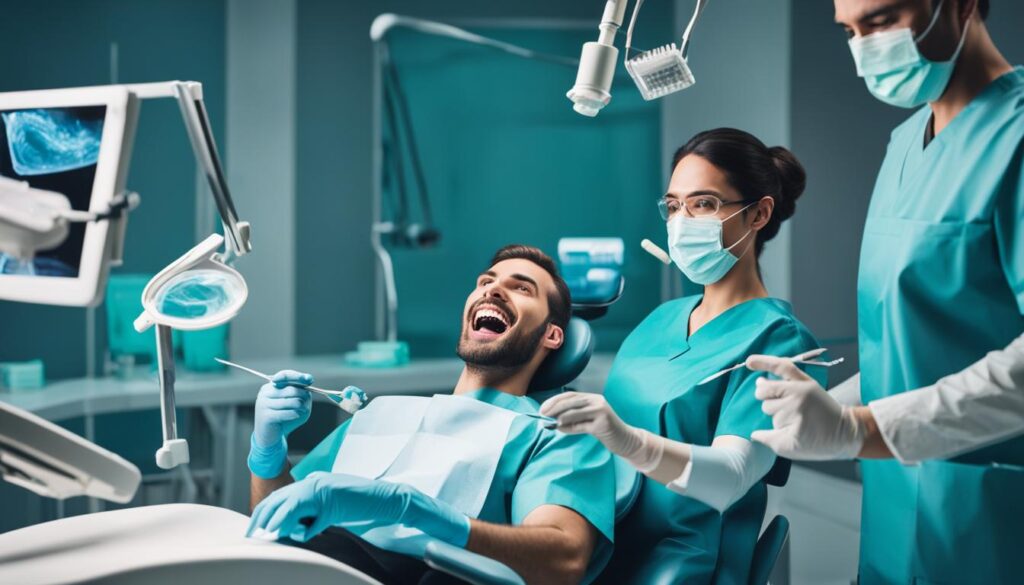
This evolution in dental material paved the way for its widespread use in capturing accurate dental impressions for various procedures. Dental professionals rely on impression compound to create custom trays, capture preliminary impressions, and fabricate temporary restorations. With its versatility and simplicity, impression compound has become an integral part of dental molding advancements.
The significant role played by impression compound cannot be understated. It has laid the foundation for more advanced dental impression techniques and materials. By consistently delivering reliable results, impression compound has enhanced the accuracy and precision of dental procedures, leading to better patient outcomes.
| Benefits of Impression Compound | Limitations of Impression Compound |
|---|---|
|
|
Diving Deep into Impression Compound Types and Applications
In this section, we will explore different types of impression compounds, their compositions, properties, manipulation techniques, and the advantages and disadvantages of using impression compound. We will also discuss modern alternatives to impression compound, such as digital impressions and advanced dental materials. Let’s dive in and discover the intricacies of impression compounds and their applications in dental practices.
Types of Impression Compounds
Impression compounds come in various types, including low fusing and high fusing compounds. Low fusing compounds have a lower melting point and are used for impressions that require minimal detail, such as preliminary impressions. High fusing compounds have a higher melting point and are used for capturing more intricate details, such as final impressions. Choosing the appropriate type of impression compound depends on the specific needs of each dental procedure.
Composition and Properties
Impression compounds typically consist of a mixture of wax, resin, and filler materials. The precise composition can vary depending on the manufacturer and product. These compounds possess unique properties, such as thermal sensitivity, allowing them to be softened and molded when heated and solidify when cooled. Their ability to accurately capture dental impressions is attributed to their flow and dimensional stability, ensuring precise replication of oral structures.

Proper Manipulation Techniques
Proper manipulation techniques are essential for achieving successful results when using impression compound. Dental professionals must carefully heat the compound to its appropriate melting point using a water bath or other heating devices. The softened compound is then placed in the patient’s mouth, ensuring it covers the desired areas and accurately captures the dental structures. Border molding techniques can also be employed to enhance the accuracy of the impression. Dental professionals should adhere to manufacturer instructions and regularly update their skills to master effective manipulation techniques.
Advantages and Disadvantages of Using Impression Compound
The use of impression compound offers several advantages in dental practices. It is cost-effective compared to some alternative materials, making it suitable for a wide range of cases. Impression compound is also versatile, allowing dental professionals to create custom trays and fabricate temporary restorations. However, it does have limitations. It may not accurately capture undercut areas and is not ideal for cases requiring high precision and fine details. Additionally, the manipulation process can be time-consuming and may require additional steps compared to newer digital impression techniques.
Modern Alternatives: Digital Impressions and Advanced Materials
Modern dental practices have witnessed the emergence of digital impressions and advanced materials, presenting alternatives to traditional impression compounds. Digital impressions utilize intraoral scanners to capture accurate 3D images of the patient’s oral structures, eliminating the need for physical impression materials. This technology offers benefits such as increased efficiency, enhanced precision, and improved patient comfort. Advanced dental materials, such as elastomeric impression materials, provide greater accuracy and detail capture compared to impression compounds. These alternatives are continually advancing, transforming the landscape of dental impression techniques.
Conclusion
In conclusion, impression compound is a versatile and widely used material in dental practices for capturing accurate dental impressions. Over time, this material has undergone significant evolution resulting in improved composition, properties, and ease of use. Dental professionals have relied on impression compound for its versatility and ability to create custom trays, capture preliminary impressions, and fabricate temporary restorations.
However, despite its many advantages, it is important to note that impression compound does have its limitations. As technology advances, digital impressions and advanced dental materials are gradually becoming popular alternatives to traditional impression compound. These alternatives offer enhanced accuracy, efficiency, and patient comfort.
When determining the most suitable impression material, dental professionals should carefully consider the specific requirements of each case. Staying informed about the latest advancements in dental materials and techniques is crucial for providing the highest quality dental moldings and treatments for patients.
In summary, while impression compound remains a valuable tool in dental practices, it is essential for dental professionals to explore and embrace modern alternatives, such as digital impressions and advanced materials, in order to optimize their clinical outcomes and deliver the best possible care to their patients.
FAQ
What is impression compound?
Impression compound is a dental molding material used to create precise replicas of a patient’s oral structures.
What are the types of impression compounds?
There are low fusing and high fusing impression compounds available.
What are the composition and properties of impression compound?
Impression compound is composed of a mixture of waxes, resins, and fillers. It possesses thermoplastic properties and becomes pliable when heated.
What are the proper manipulation techniques for using impression compound?
To use impression compound, it needs to be softened by heating in warm water, manipulated, and pressed onto the oral structures.
What are the advantages of using impression compound?
Impression compound is versatile, allowing for the creation of custom trays, capture of preliminary impressions, and fabrication of temporary restorations.
What are the disadvantages of using impression compound?
Impression compound may not accurately reproduce undercut areas and may require additional steps for accurate impressions.
What are the modern alternatives to impression compound?
Modern alternatives include digital impressions and advanced dental materials.







+ There are no comments
Add yours