









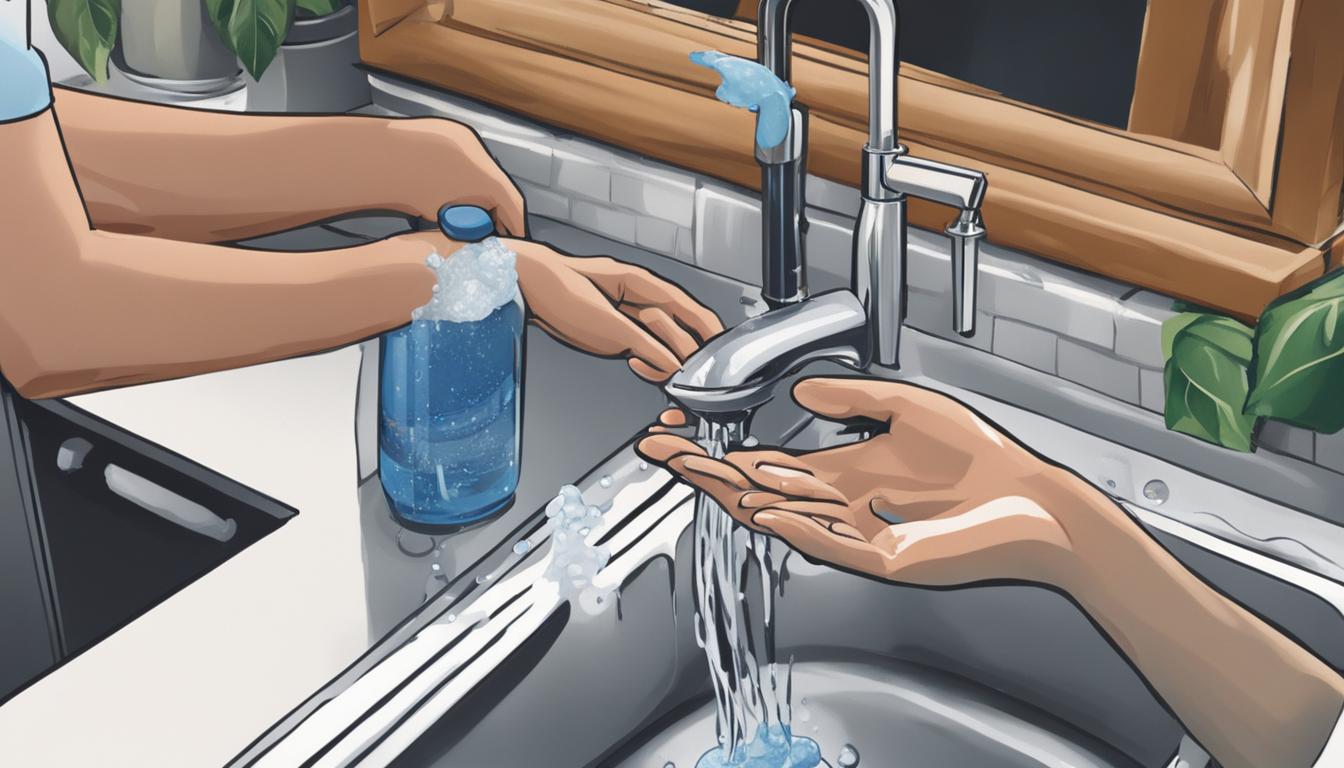
Proper hand hygiene is crucial for maintaining good health and preventing the spread of germs. In this comprehensive guide, we will explore the correct techniques for washing hands and highlight the importance of hand hygiene in various situations.
Key Takeaways:
- Proper hand hygiene is essential for preventing the spread of germs and maintaining good health.
- Following a step-by-step approach ensures thorough cleaning during handwashing.
- There are specific key moments when hand hygiene should be prioritized.
- Hand sanitizers can be an effective alternative when soap and water are unavailable.
- Choosing the right hand sanitizer and using it correctly are crucial for its effectiveness.
Understanding the Importance of Hand Hygiene
Proper Washing of Hands hygiene is of paramount importance in preventing the spread of infectious diseases and maintaining good health. By practicing proper handwashing techniques, individuals can significantly reduce the risk of contracting and transmitting harmful germs to themselves and others.
Research has shown that hand hygiene plays a crucial role in preventing the transmission of viruses, bacteria, and other pathogens. Regularly washing hands with soap and water or using hand sanitizers can help eliminate these microscopic invaders that can cause illnesses such as respiratory infections, gastrointestinal diseases, and skin infections.
When it comes to personal and public health, hand hygiene is an essential aspect that cannot be overlooked. By implementing proper handwashing practices, we can contribute to creating a healthier environment and reducing the burden of preventable diseases.
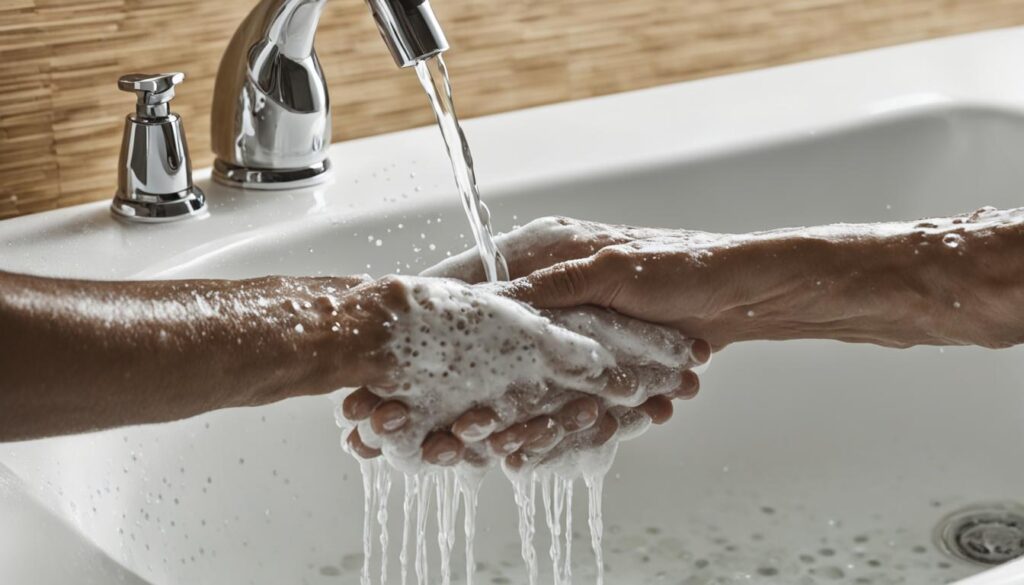
But how exactly does hand hygiene impact our health?
Let’s explore some of the key benefits of handwashing and maintaining good hand hygiene:
- Preventing Illness: Regular handwashing can help break the chain of infection by removing germs from our hands. This simple act significantly reduces the risk of contracting illnesses and transmitting them to others.
- Reducing the Spread of Infectious Diseases: Proper handwashing is particularly crucial during outbreaks and pandemics. By washing hands frequently, we can help minimize the transmission of viruses and bacteria, ultimately protecting ourselves and the broader community.
- Protecting Vulnerable Populations: Individuals with weakened immune systems, such as the elderly and young children, are more susceptible to infections. Maintaining good hand hygiene can help safeguard these vulnerable populations from preventable illnesses.
- Promoting Workplace Productivity: Hand hygiene is not limited to healthcare settings. It is equally essential in workplaces where individuals come into contact with various surfaces and objects. By practicing proper handwashing, employees can reduce their chances of falling ill and maintain productivity in the workplace.
- Building Healthy Habits: Practicing good hand hygiene from an early age instills lifelong habits. By teaching children the importance of handwashing, we empower them to take responsibility for their health and well-being.
For a comprehensive guide on proper hand hygiene techniques and its impact on personal and public health, continue reading this article.
Proper Washing of Hands: A Step-by-Step Approach
Proper handwashing involves following a step-by-step approach to ensure thorough cleaning. In this section, we will outline the essential steps for effective handwashing. We will also discuss how to prepare your hands for washing and the importance of maintaining hand hygiene with the correct technique.
Preparing Your Hands for Washing
Before washing your hands, it is important to prepare them appropriately. This includes wetting your hands with clean, running water and applying soap. We will provide guidance on the optimal temperature for water and the ideal type of soap to use for effective handwashing.
Image:
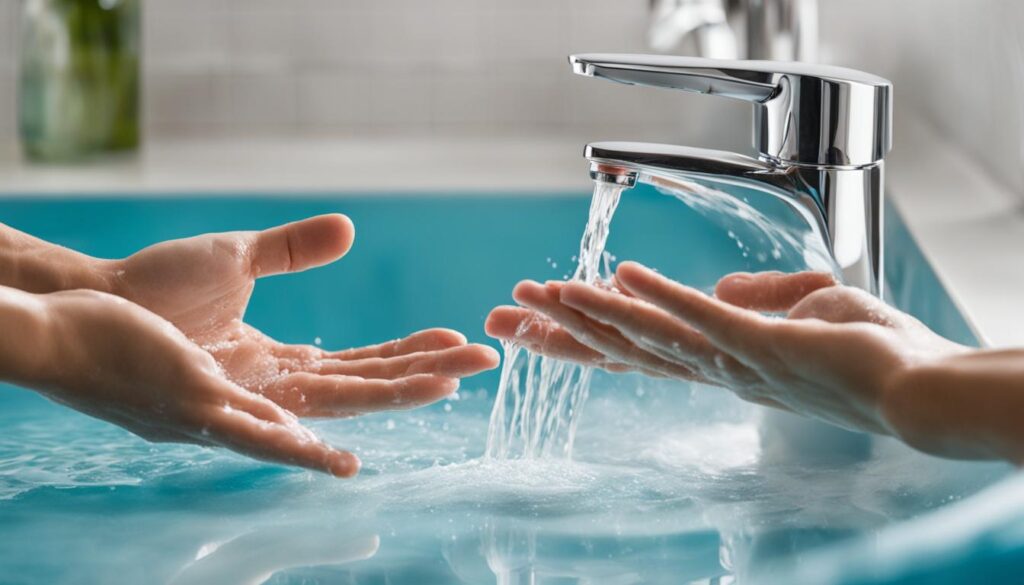
The Five Fundamental Steps of Handwashing
To ensure proper hand hygiene, it is crucial to follow the five fundamental steps of handwashing:
- Wet your hands: Start by wetting your hands with clean, running water. Adjust the temperature to your comfort, as long as it is within a safe range.
- Apply soap: Apply a sufficient amount of soap to your hands. Choose a soap that is suitable for handwashing and contains germ-fighting properties.
- Lather and scrub: Rub your hands together to create a lather. Make sure to scrub all surfaces, including the backs of your hands, between your fingers, and under your nails. Remember to scrub for at least 20 seconds.
- Rinse thoroughly: Rinse your hands thoroughly under clean, running water to remove all soap residue and any loosened germs.
- Dry hands: Dry your hands using a clean towel or air dryer. Ensure that your hands are completely dry, as wet hands can spread germs more easily.
Following these steps in the proper sequence is vital for effective handwashing and reducing the risk of germ transmission.
Ensuring Hand Sanity with Proper Technique
Maintaining hand hygiene goes beyond the basic steps of handwashing. By adopting the correct technique, individuals can ensure the sanity of their hands and minimize the risk of germ transmission. Here are some tips and best practices for maintaining hand hygiene:
- Regularly wash your hands, especially before and after handling food, after using the restroom, and after coughing or sneezing.
- Use handwashing products that are effective in killing germs. Look for products with antimicrobial properties or those recommended by healthcare professionals.
- Avoid touching your face, nose, or mouth with unwashed hands, as this can introduce germs into your body.
- Keep your nails trimmed short and clean to prevent the accumulation of dirt and bacteria.
- Encourage proper handwashing practices among family members, friends, and colleagues to promote overall hand hygiene.
By following a step-by-step handwashing approach and maintaining proper hand hygiene techniques, individuals can play a crucial role in preventing the spread of germs and promoting overall health and well-being.
Key Moments for Prioritizing Hand Hygiene
Proper hand hygiene is crucial in preventing the spread of germs and maintaining good health. There are specific moments throughout the day when handwashing should be prioritized to effectively eliminate bacteria and viruses. By being mindful of these key times for handwashing, individuals can protect themselves and others from potential infections.
One important moment for hand hygiene is before and after using the restroom. Washing your hands with soap and water before using the restroom helps prevent the transfer of germs to sensitive areas of the body. After using the restroom, handwashing eliminates any bacteria or viruses that may have been acquired.
Another crucial moment for hand hygiene is before and after handling food. Washing your hands before handling food reduces the risk of contaminating it with harmful pathogens. After handling raw food, handwashing removes any potential bacteria that could cause foodborne illnesses.
Caring for someone who is sick also requires extra attention to hand hygiene. Prior to assisting a sick individual, it is essential to wash your hands to prevent the transmission of germs. After providing care, handwashing helps remove any potential pathogens that may have been transferred.
Other key moments that require hand hygiene include:
- Before and after treating a wound or injury
- After coughing, sneezing, or blowing your nose
- After touching surfaces or objects in public areas
- After touching animals or their waste
- Before and after visiting hospitals or healthcare facilities
By incorporating handwashing into these important moments, individuals can minimize the risk of spreading germs and maintain optimal hand hygiene.
Opting for Hand Sanitizer When Soap is Unavailable
In Proper Washing of Hands situations where soap and water are not readily available, hand sanitizer can be a practical alternative for maintaining hand hygiene. While hand sanitizers should not be used as a substitute for handwashing with soap and water, they can be effective in killing germs and reducing the risk of infection.
Choosing the Right Hand Sanitizer
When selecting a hand sanitizer, it is important to consider certain criteria to ensure its effectiveness. Look for hand sanitizers that meet the following criteria:
- Alcohol content: Choose a hand sanitizer with at least 60% alcohol, as this is the minimum concentration required to effectively kill germs.
- Composition: Check the ingredients to make sure the hand sanitizer does not contain any harmful substances or allergens that could cause skin irritation or other adverse reactions.
- Safety: Look for hand sanitizers that have been approved by regulatory authorities and meet safety standards.
By considering these factors, you can ensure that the hand sanitizer you choose is safe and effective in killing germs.
Effective Use of Hand Sanitizer
To use hand sanitizer effectively, follow these steps:
- Apply a small amount of hand sanitizer to the palm of one hand.
- Rub your hands together, ensuring that you cover all surfaces, including the back of your hands, between your fingers, and under your nails.
- Continue rubbing your hands together for at least 20 seconds, or until the hand sanitizer has evaporated.
It is important to use enough hand sanitizer to thoroughly cover your hands, but not so much that your hands stay wet for an extended period.
Limitations and Precautions of Hand Sanitizers
While hand sanitizers can be effective in certain situations, it is important to be aware of their limitations and take necessary precautions:
- Visibly dirty or greasy hands: Hand sanitizers are not as effective on visibly dirty or greasy hands. In such cases, it is best to wash your hands with soap and water.
- Hand sanitizer safety: Keep hand sanitizers out of reach of children and avoid ingesting them. If swallowed, seek medical attention immediately.
- Hand sanitizer as the primary hygiene method: While hand sanitizers can be used as a temporary solution when soap and water are unavailable, they should not replace regular handwashing as the primary method of maintaining hand hygiene.
By understanding and adhering to these limitations and precautions, you can use hand sanitizers safely and effectively as a supplementary measure for Proper Washing of Hands hygiene.

Conclusion
In conclusion, maintaining proper hand hygiene is crucial for overall health and wellbeing. Throughout this comprehensive guide, we have highlighted the importance of handwashing and provided a step-by-step approach to ensure effective cleaning.
By practicing the recommended handwashing techniques, individuals can significantly reduce the risk of contracting and spreading harmful germs. Regular handwashing, especially before and after key activities such as using the restroom, handling food, and caring for someone who is sick, is essential for preventing the transmission of infectious diseases.
In situations where soap and water are not readily available, hand sanitizer can be a practical alternative. However, it is important to choose the right hand sanitizer and use it correctly for optimal effectiveness. It is also crucial to be aware of the limitations and precautions associated with hand sanitizers.
By prioritizing and maintaining hand cleanliness, individuals can contribute to their own health and the well-being of their communities. Remember, proper hand hygiene is a simple yet powerful practice that can make a significant difference in preventing the spread of germs and ensuring a healthier future.
FAQ
What is proper hand hygiene?
Proper hand hygiene refers to the correct techniques and practices for washing hands to effectively remove dirt, germs, and other harmful substances. It is an essential step in preventing the spread of infections.
Why is hand hygiene important?
Hand hygiene is important because it helps to reduce the risk of contracting and spreading infectious diseases. By washing hands properly, individuals can minimize the transmission of germs and maintain good health.
What are the essential steps for effective handwashing?
The essential steps for effective handwashing include wetting hands with clean, running water, applying soap, lathering and scrubbing hands thoroughly, rinsing hands under running water, and drying hands completely.
When should I prioritize hand hygiene?
Proper Washing of Hands hygiene should be prioritized before and after activities such as using the restroom, handling food, caring for someone who is sick, and coming into contact with potentially contaminated objects or surfaces.
Can I use hand sanitizer when soap is unavailable?
Yes, hand sanitizer can be used as an alternative when soap and water are not readily available. It is important to choose the right hand sanitizer and use it properly to ensure effective germ elimination.









+ There are no comments
Add yours